



Making wine is an art form, yes. But selling wine is a whole other story. Whether producers like it or not, in order to get bottles in hands across the world, they need to make good business decisions. If 65% of U.S. wine drinkers are buying wine at their grocery store, then selling in these markets are highly considered.
Sure, grocery stores may not be the smartest choice for smaller producer, boutique wineries with limited production—you’ll find those in your local wine shop. But for larger producers who focus on scale as much as quality, the grocery store is often the best bet.
In the case of Trivento, this does not mean sacrificing taste. In fact, the well-known wine brand from Mendoza knows their consumer so well, they’ve created a lineup that allows wine drinkers to buy with confidence and expand their palette as they grow an appreciation for what’s in the glass.
This week I met with Germán Di Cesare, head winemaker at Trivento, to taste through the range of what Trivento has to offer. From their $10 value wines to their $100 single vineyard, this brand understands what it takes to hook a customer for the long haul. They are one of the leading exporters of Argentine wine with over three million cases a year, and have been listed as the number one Argentine wine brand for value by British wine critic Tim Atkin for the fourth consecutive year.
Here’s my biggest takeaway from this experience: Trivento allows their consumer to expand their palette.
The value wines retail around $10, starting with their Malbec Reserve and White Malbec Reserve. Germán made the note that while these wines could be paired with food, the purpose of their value lineup is to get the consumer to fall in love with their wine and brand with something that is straight forward and easy to drink.
In the case of the White Malbec Reserve, a cheeky take on a Blanc de Noir-style wine where the grape skins are removed to not influence the color, Trivento was looking to hit some other consumer interests. Low ABV (only 10% in this wine) and low-calorie (no residual sugar). Instead of letting the grapes ripen and halting the winemaking process to get a sweeter, low ABV wine, the Malbec grapes are picked in January and early February before they ripen and gain their color. This wine is for the consumer that loves something fresh with zippy acidity, no sugar and low alcohol, which helps with those day-after hangovers. (Bonus!) The wine tasted like sour candied fruit, like green apple and cherry—absolutely nothing you would expect from this grape variety.
A consumer may pick up a White Malbec for the price—and a little curiosity. The start of their journey may be value, but once they taste the wine, Trivento is targeting loyal consumers—people who enjoy the brand and are ready to open their wallets when they want to start experimenting with everything else their 13 vineyards have to offer.
A natural step up would be their Golden Reserve, a $20 bottle made with grapes coming from Lujan de Cuyo. The wine sits in neutral French oak for 12 months, giving it less of that chocolately, smoky marshmallow new oak taste and much more natural fruit. This is where their value consumer begins to play around with complexity. How does this wine taste different than the $10 Malbec Reserve? These are the bottles that are perfect for picking up for dinner parties, with firm tannins that will pair well with your favorite red meat fare, and a step up in price that makes sense for these types of occasions. The value customer switches to a loyal customers, and now feels confident grabbing a nicer bottle for special occasions—or even a nice dinner at home.
Then the consumer moves to the big guns, and Trivento has something ready for those moments, too.
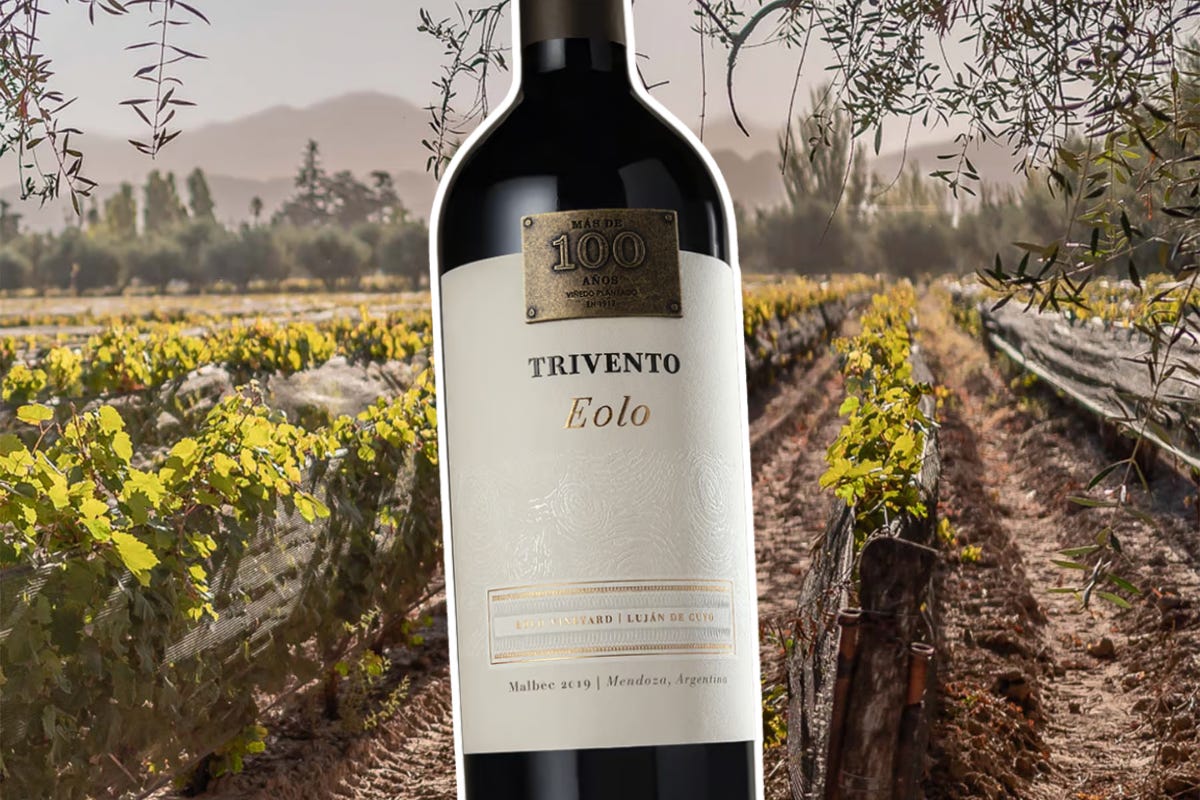
Next in the tasting we moved onto the special, single vineyard bottle—Trivento’s Eolo Vineyard 2021. This is where Germán brought out all of his nerdy winemaker knowledge. This wine is coming from four hectares of vines planted in 1912 sitting at over 3,000-foot altitude on the foothills of the Andes, with a variety of different soils and a cooling influence from the Mendoza river below, giving the wine even more complexity. The wine sits in French oak for 18 months, with only 16.5% in new oak, then the wine is aged in bottle for 12 months. All that level of detail sings when you taste it. More fruit with subtle oak notes, with a mix of blackberry and raspberry jam and a very long, lingering finish. It’s a wine meant for gifts and for aging, for those who have grown an appreciation for complex wine and aren’t afraid to get nerdy about terroir. Naturally, this bottle retails at $90-$100, depending on where you shop.
This is where wine exposure begins. I think a lot of producers can learn from Trivento’s lineup. Sure, some consumers may remain in the $10 value wine range for the rest of their life, and you know what, in today’s economy, that’s totally valid. But for those who want to experiment and get more into wine, what safer place to start with a brand they are already loyal to? If you’re new to wine, how are you supposed to know if that $100 bottle is even worth it? By tasting your way through their other wines, obviously.
Trivento wines can be found in Kroger, Publix, HEB, Giant, Costco, and Food Lion. This post is not sponsored. This is simply your online sommelier letting you know where to grab a nice bottle as the holidays approach!
Need more recommendations? Leave a comment, or ask for some advice over in the group chat!


